Introduction
It started with what felt like an ordinary evening of scrolling through my TV app, looking for something to watch after a long workday. I had settled into my usual routine of flipping through various streaming options, not really expecting anything beyond entertainment. The TV app had become my default method of unwinding, offering endless content that required little mental energy after hours of focused work. As I navigated through different shows and movies, something subtle began to shift in how I perceived the characters’ appearances, particularly their footwear choices. I didn’t realize at the time that this casual viewing session would lead me to reconsider aspects of my own wardrobe in ways I hadn’t anticipated.
Real-life Context
My typical work environment operates within that modern space between formal and casual, where business casual feels appropriate but personal comfort remains important. I spend my days moving between office meetings, client lunches, and occasional after-work social gatherings, all requiring footwear that can transition smoothly between these different settings. For years, I had maintained a simple rotation of shoes – standard dress shoes for important meetings, sneakers for completely casual days, and a pair of worn loafers that had seen better days. This system worked well enough, but I never gave much thought to whether it could be improved or if there were options that might better serve my varied daily needs. The convenience of my existing choices made it easy to overlook opportunities for refinement.
During one particular evening with my TV app, I found myself drawn to a series featuring characters in professional but relaxed environments. Their wardrobe choices stood out not because they were extravagant or attention-grabbing, but because they seemed to achieve a balance I hadn’t quite managed in my own selections. The shoes in particular caught my attention – they appeared comfortable enough for full days of wear yet maintained a polished appearance that worked in multiple contexts. This observation sparked a curiosity about whether my own footwear collection might benefit from similar consideration, moving beyond the basic categories I had established years earlier.
As I continued watching various shows through the TV app over subsequent weeks, I began noticing patterns in how footwear was presented across different genres and settings. Characters in business environments often wore shoes that blended traditional elements with contemporary comfort features, while those in social situations frequently opted for styles that balanced sophistication with practicality. These subtle details started influencing how I thought about my own shoe choices, particularly for those days that involved multiple transitions between professional and personal contexts.
Observation
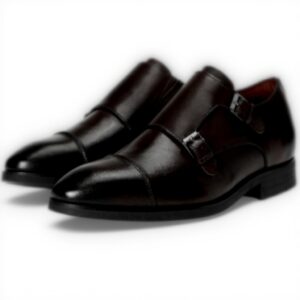
What struck me most during these TV app sessions was how certain shoe styles seemed to function across different scenarios without appearing out of place. I noticed characters wearing what I later learned were monk strap loafers in various situations – from office settings to weekend outings to casual social gatherings. The dark brown color in particular seemed versatile, complementing different outfits while maintaining a consistent level of polish. This observation challenged my previous assumption that shoes needed to be strictly categorized by occasion, suggesting instead that some styles could successfully span multiple contexts.
The specific design elements I observed through the TV app included the distinctive monk strap closure, which provided visual interest without being overly formal, and the clean loafer silhouette that worked well with both trousers and more casual pants. I appreciated how these design features created a bridge between traditional footwear and contemporary styling, offering something that felt appropriate without being stuffy or restrictive. The synthetic lining and insoles mentioned in product descriptions aligned with what I observed about all-day wearability, as characters seemed comfortable during extended scenes without visible discomfort or the need to frequently change shoes.
Available sizes ranging from UK 6 to 13, including half sizes, addressed the practical consideration of proper fit that I had sometimes struggled with in the past. The dark brown finish appeared consistently in different lighting conditions across various shows, maintaining its professional appearance whether in brightly lit office settings or more dimly lit social environments. This consistency appealed to me, as it suggested the color would work well throughout my own varied daily contexts without requiring multiple shoe changes.
I also noticed how these shoes seemed to balance fashion and functionality in a way that felt authentic rather than forced. Characters moved naturally in them, whether walking between meetings, standing during conversations, or sitting for extended periods. The versatility extended beyond just professional settings to include weekend activities and social occasions, demonstrating how a single pair could serve multiple purposes without compromising on style or comfort. This observation resonated with my desire for simplicity in my wardrobe choices while still maintaining an appropriate appearance for different situations.
Reflection
Reflecting on these observations from my TV app viewing, I began considering how my own approach to footwear had become unnecessarily limited by rigid categories. The distinction between formal, casual, and everything in between had created a system that was functional but not particularly thoughtful or refined. Seeing how certain shoe styles could successfully navigate multiple contexts made me question why I had been so committed to these artificial divisions in my own wardrobe. The monk strap design in particular represented a middle ground I hadn’t fully appreciated before – traditional enough for professional settings but contemporary enough for casual wear.
I thought about the practical implications of having footwear that could transition smoothly between different parts of my day. The convenience of not needing to change shoes between work and after-work activities appealed to me, as did the possibility of reducing the number of shoes I needed to maintain. The dark brown color seemed like it would work well with the range of clothing I typically wore, from navy and grey trousers to more casual chinos and dark jeans. This versatility felt particularly valuable given how my days often involve unexpected transitions between different types of engagements.
The sizing availability also prompted reflection on my past experiences with shoe shopping. Having access to half sizes up to UK 13 addressed the fit challenges I had sometimes encountered, where standard sizes didn’t quite provide the comfort I needed for all-day wear. The synthetic materials used in the lining and insole components suggested attention to consistent comfort across different wearing conditions, which aligned with my need for footwear that could handle everything from full office days to weekend outings without causing discomfort.
Most importantly, these reflections made me reconsider what I valued in footwear beyond basic functionality. The balance between timeless style and modern comfort represented something I hadn’t actively sought but now recognized as missing from my current options. The classic elements provided a foundation that woldn’t quickly date, while the contemporary comfort features addressed the practical realities of daily wear. This combination felt more thoughtful than my previous approach of simply having different shoes for different occasions without considering how they might work together or transition between contexts.
Conclusion
This journey that began with casual TV app viewing ultimately led me to a more considered approach to footwear selection. What started as simple observation of characters’ shoe choices evolved into meaningful reflection about my own wardrobe needs and how they might be better served. The monk strap loafer style represented a category I had previously overlooked but now appreciate for its ability to balance multiple requirements – professional appropriateness, casual comfort, and versatile styling.
The dark brown color and available sizing options addressed practical considerations that had sometimes complicated my previous shoe purchases. The synthetic lining and insole components promised the consistent comfort needed for varied daily wear, from office environments to social occasions. Most importantly, the design philosophy behind these shoes – blending traditional elements with contemporary comfort – aligned with what I had come to value through my observations: footwear that serves multiple purposes without compromising on style or practicality.
This experience reminded me that sometimes the most valuable insights come from unexpected places. What began as routine entertainment through my TV app became an opportunity to reconsider aspects of my daily life I had taken for granted. The observation of subtle details in characters’ wardrobe choices sparked reflection that ultimately led to a more thoughtful approach to my own footwear selection. While the specific shoes I observed represent just one option among many, the broader realization about balancing style, comfort, and versatility has lasting value beyond any single purchase decision.
The process of moving from casual observation to meaningful reflection demonstrated how paying attention to small details in everyday experiences can lead to valuable insights. My TV app viewing habits provided an unexpected source of inspiration for reconsidering practical aspects of my daily life, reminding me that learning opportunities exist in even the most routine activities. This experience has made me more attentive to how I observe and reflect on the world around me, recognizing that valuable perspectives can emerge from seemingly ordinary moments when we approach them with curiosity and openness to new possibilities.