Introduction
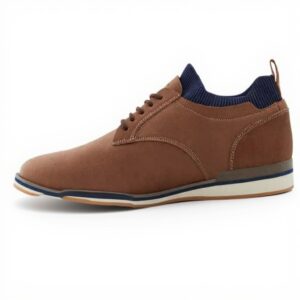
I woke up to the peculiar quiet that only comes with unexpected weather, my phone buzzing with notifications about how much snow did Wilmington NC get overnight. The world outside my window was dusted white, an unusual sight for this part of the country, while my social media feeds were equally divided between weather updates and Tyler the Creator Grammys performance discussions from the previous night. Standing in my closet, I reached for the Aldo Gladosen Oxfords in cognac—shoes I’d bought weeks earlier but hadn’t truly tested beyond brief outings. Something about the juxtaposition of these two seemingly unrelated topics—snowfall measurements and artistic recognition—made me curious about how these shoes would handle a day straddling different worlds.
Real-life Context
The morning unfolded with that specific tension between cozy indoor comfort and the practical demands of venturing outside. My apartment felt like a capsule suspended between two realities: the digital one where friends debated whether Tyler’s Grammy win signaled a shift in mainstream acceptance of experimental art, and the physical one where Wilmington’s light snow accumulation was already beginning to melt into slushy patches on the sidewalks. I needed to run errands—post office, grocery store, a quick coffee meetup—but also wanted to settle in later to properly watch the Grammy performances I’d only seen in clips. The Aldo Gladosen Oxfords sat by the door, their cognac color warm against the grayish light filtering through the windows. What surprised me initially was how the shoes seemed to bridge these different needs without demanding I choose between them.
Slushy sidewalks require careful footing, but the rounded toe design provided just enough room to avoid that cramped feeling when you instinctively curl your toes against the cold. The synthetic leather upper showed no immediate signs of water absorption during those first tentative steps outside, though I made a mental note to check them properly later. Meanwhile, my phone continued delivering updates—friends sharing screenshots of snowfall maps, others analyzing Tyler’s orchestral arrangements. The shoes became my constant through these shifting attention points, their classic derby design feeling appropriately neutral whether I was examining frost patterns on car windshields or pausing to read a particularly insightful tweet about artistic authenticity in award shows.
There’s a particular sound these shoes make on damp pavement—not the sharp click of formal leather soles nor the soft shuffle of sneakers, but something in between. A muted tap that somehow matched the ambient noise of a neighborhood adjusting to unexpected weather. I noticed how the lace-up system allowed me to adjust the fit as my feet expanded slightly from walking, something I wouldn’t have considered important until experiencing it firsthand. The cognac color, which had seemed purely aesthetic in the store, now revealed its practical side—it didn’t show the light salt residues from treated pavements as dramatically as darker shoes might have.
Detailed Observation
Back inside, with wet shoes placed carefully on the mat, I finally had time to properly watch Tyler the Creator’s Grammy performance while my feet appreciated the break. This is where the learning curve emerged—the synthetic leather, while durable against moisture, needed a good fifteen minutes to air out properly and lost some of its initial flexibility when cold. I hadn’t anticipated this need for transition time between environments, a small but noticeable trade-off for the weather resistance. The shoes stood by the door, their open lacing system looking almost architectural against the plain doormat, while on screen Tyler moved through an elaborate set that similarly blurred boundaries between categories.
Throughout the day, I found myself noticing small details that typically escape attention during shorter wear tests. The stitched eyelet facings on the vamp weren’t just decorative—they maintained their structure even when I’d loosened the laces during indoor periods. The lightweight construction meant I didn’t feel that dragging fatigue I sometimes get from heavier dress shoes, yet they still had enough substance to feel substantial during outdoor walks. When I later paired them with rolled chinos for an evening gathering, the versatility became even more apparent—they worked equally well with the casual joggers I’d worn earlier and the slightly dressier trousers for evening.
- The cognac color shifted subtly under different lighting—warmer in indoor settings, more muted outdoors
- UK sizing provided a precise fit, though the half-size availability would be crucial for comfort
- Synthetic leather maintained its appearance despite exposure to melting snow and indoor heating
- Rounded toe design prevented that cramped feeling during extended wear
- Lightweight construction suited all-day use without compromising support
What caught me off guard was how the shoes became a sort of baseline for the day’s experiences. Checking weather updates about Wilmington’s snowfall totals required different mental energy than appreciating Tyler’s artistic choices at the Grammys, yet my footwear remained consistently appropriate for both contexts. The derby design, which I’d initially considered merely traditional, now revealed its intelligence—it was formal enough for semi-structured environments yet relaxed enough for casual settings.
Reflection
I didn’t realize at the time how much that small detail—the fifteen-minute adjustment period between outdoor and indoor wear—would matter in understanding these shoes’ character. It became a forced pause in my day, a moment to actually transition between activities rather than rushing from one to the next. While waiting for the synthetic leather to regain its flexibility, I found myself properly reading about the meteorological factors behind Wilmington’s unusual snowfall instead of just skimming headlines. I watched Tyler’s full Grammy performance rather than just the highlights, noticing musical nuancs I’d otherwise have missed.
This minor quirk, which initially felt like an inconvenience, gradually revealed itself as a feature in disguise. The need to be slightly more intentional about when I wore the shoes and for how long made me more conscious of my daily rhythms. The cognac color, which had seemed like a simple style choice, now felt like a neutral canvas that reflected whatever context I found myself in—whether examining snow accumulation on park benches or discussing artistic innovation in music awards. There was something quietly democratic about how these shoes refused to be categorized as strictly formal or casual, much like how the day itself refused to be about just one thing.
Moving past the surface, I began appreciating how the design decisions interconnected. The open lacing system that allowed fit adjustments throughout the day complemented the rounded toe that accommodated natural foot movement. The synthetic leather that resisted moisture outside also maintained its appearance through indoor temperature changes. Even the available UK sizes—with half-size options—spoke to an understanding that comfort isn’t one-size-fits-all. These weren’t revolutionary features individually, but their combination created something genuinely adaptable to shifting daily demands.
Conclusion
By evening, as Wilmington’s snowfall totals were finalized and Tyler’s Grammy moment became part of music history, the Aldo Gladosen Oxfords had completed their unspoken test. They’d navigated weather uncertainties, adapted to changing social contexts, and revealed their character through both strengths and minor limitations. The cognac color looked richer in the warm evening light, the synthetic leather showing no lasting effects from the day’s varied conditions. What remained was the understanding that some products reveal their value not through dramatic performances but through consistent reliability across unpredictable situations.
The shoes now sit ready for whatever comes next—another unusual weather event, another cultural moment worth proper attention, or simply the ordinary rhythm of days that rarely stick to single categories. Their versatility feels less like a marketing claim and more like an earned quality, something demonstrated through actual use rather than promised in specifications. And perhaps that’s the most genuine measure of any product—how it accommodates the messy, overlapping nature of real life without demanding that experiences be neatly separated into compartments.