Introduction
It was during a particularly intense Auburn basketball season that I began to understand the true meaning of comfort. I had always been someone who prioritized style over practicality, believing that looking good meant sacrificing some level of comfort. But as I found myself spending longer hours on my feet—whether cheering at games, navigating crowded arenas, or simply going about my daily routine—I started to notice how my choice of footwear was affecting my entire experience. The constant standing, walking, and shifting during those exciting Auburn basketball matchups made me reconsider what I really needed from my shoes.
I remember one specific game where my feet were so sore by halftime that I could barely focus on the incredible plays happening on the court. That moment became a turning point for me, making me realize that comfort wasn’t just about avoiding pain—it was about being fully present in the experiences that mattered most to me. It was then that I began my search for shoes that could keep up with my active lifestyle without compromising on the elegant appearance I preferred for both professional settings and social occasions.
Real-life Context
My typical week involves a blend of professional responsibilities and personal interests that keep me constantly moving. As someone who works in an office environment but also enjoys attending social events and supporting my favorite sports teams, I need footwear that can transition seamlessly between different settings. The challenge has always been finding shoes that look appropriate for business meetings while still being comfortable enough for evenings out or weekend activities. I’ve tried numerous options over the years, from flats that lacked support to heels that left me counting down the minutes until I could take them off.
The Auburn basketball season added another layer to this challenge. Game days often meant hours of standing, walking through parking lots and arena concourses, and navigating stairs and crowded spaces. I wanted shoes that would carry me through the entire experience—from pre-game excitement to post-game celebrations—without leaving me with sore feet the next day. It wasn’t just about the games themselves, but about the entire experience surrounding them: the commute, the socializing with other fans, and the spontaneous outings that often followed a victory.
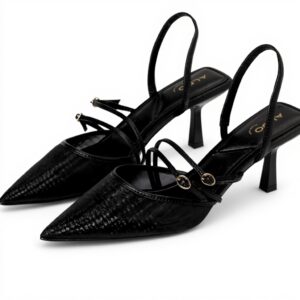
What made this search particularly difficult was my specific needs. I required shoes that offered both style and substance, that could complement professional attire while providing the comfort needed for extended wear. I needed something versatile enough to pair with different outfits and suitable for various occasions, yet reliable enough to become a go-to option in my wardrobe. The sling back design appealed to me because it promised a secure fit, which I knew would be important for the constant movement of game days and busy work schedules.
Observation
The first thing I noticed when I began wearing these court shoes was how the Pillow Walk technology actually felt different from other comfort features I had experienced. There was a noticeable cushioning that seemed to absorb impact with each step, making standing for longer periods much more manageable. During one particularly long Auburn basketball game that went into overtime, I found myself surprisingly comfortable despite having been on my feet for nearly four hours. The lightweight construction meant I wasn’t constantly aware of my shoes, which allowed me to focus entirely on the game’s thrilling conclusion.
I observed how the secure sling back strap provided stability without creating pressure points, something I had struggled with in other back-strap shoes. The adjustment was simple yet effective, allowing me to customize the fit based on whether I was wearing thinner or thicker socks. This became particularly useful during the transition between seasons, when my footwear needs changed slightly with the weather. The black color proved remarkably versatile, working equally well with professional suits, casual weekend wear, and even the team colors I wore to games.
What surprised me most was how these shoes performed across different surfaces and situations. From the hard concrete of arena floors to the carpeted hallways of my office building, the comfort remained consistent. The durable synthetic materials maintained their shape and appearance even after repeated wear, which I appreciated given the investment. I found myself reaching for them more frequently than I had anticipated, not just for special occasions but for ordinary days when I knew I would be spending significant time on my feet.
The court shoes became my default choice for days that involved multiple activities or transitions between different environments. I noticed how they provided the same level of comfort whether I was standing through an entire basketball game, walking between meetings, or enjoying an evening out with friends. The versatility I had been seeking was finally there, embodied in a single pair of shoes that could adapt to my changing needs throughout the day without requiring me to carry alternative footwear or make compromises in either style or comfort.
Reflection
I didn’t realize at the time that this search for comfortable footwear would teach me something broader about how we approach our daily lives. The experience made me reflect on how often we accept discomfort as a necessary trade-off for style or convenience, when in reality, we shouldn’t have to choose between looking good and feeling good. The right footwear—like the right approach to any aspect of life—should enhance our experiences rather than detract from them. Those long Auburn basketball games became more enjoyable not just because of the exciting plays, but because I was physically comfortable enough to fully engage with the moment.
This realization extended beyond just basketball games and into my professional life. I began to notice how physical comfort influenced my mental focus and overall productivity. On days when my feet weren’t bothering me, I found myself more engaged in meetings, more willing to take the stairs between floors, and generally more positive throughout the day. The psychological impact of physical comfort is something we often underestimate, yet it plays a significant role in how we experience and remember events, whether they’re work-related or recreational.
The journey also made me consider the concept of versatility in a new light. I had previously owned shoes that were comfortable for specific situations or styles that worked only with certain outfits. Finding a pair that could transition between professional, social, and casual settings without sacrificing comfort or appearance felt like solving a puzzle I had been working on for years. It reminded me that sometimes the most effective solutions are those that serve multiple purposes well, rather than excelling at just one thing.
Perhaps most importantly, this experience changed how I think about quality and value in footwear. The durability of these shoes—maintaining their shape and finish through regular wear—made me appreciate the importance of investing in well-constructed items that stand the test of time. Rather than cycling through multiple pairs of less comfortable shoes, having one reliable option that I could count on for various occasions proved both practical and satisfying. It was a lesson in how sometimes paying more upfront for quality can actually save money and frustration in the long run.
Conclusion
Looking back on that Auburn basketball season, I realize that my search for comfortable shoes was about more than just finding footwear that didn’t hurt my feet. It was abot discovering how the right tools can enhance our experiences and allow us to be more present in the moments that matter. The court shoes I found became more than just an item in my wardrobe—they became a reliable companion through busy workdays, exciting games, and everything in between. The comfort they provided allowed me to focus on what was happening around me rather than on my own discomfort.
The experience taught me that comfort and style don’t have to be mutually exclusive, and that finding balance in our choices can significantly improve our daily lives. Whether navigating a crowded arena during an intense Auburn basketball game or moving through a packed schedule of professional commitments, having footwear that supports rather than distracts makes all the difference. It’s a lesson I’ve carried forward into other aspects of my life, reminding me to seek out solutions that work with my needs rather than against them.
What began as a practical search for comfortable shoes evolved into a broader understanding of how our physical comfort influences our overall experience of the world. The right footwear won’t change the outcome of a basketball game or magically solve work challenges, but it can remove one source of distraction and discomfort, allowing us to engage more fully with whatever we’re doing. And sometimes, that small shift—from being aware of our discomfort to being comfortable enough to forget about our feet entirely—can make all the difference in how we experience and remember the important moments in our lives.