Introduction
It was during a casual evening scrolling through interviews that I first noticed Ali Wong and Coco Jones discussing the importance of versatile pieces in their wardrobes. They weren’t talking about sneakers specifically, but something about their conversation about balancing style with practicality resonated with me. I looked down at my own worn-out shoes and realized I’d been compromising on both fronts for far too long. The mention of Ali Wong | Coco Jones stuck with me, becoming this quiet reminder that maybe I needed to pay more attention to the everyday items that actually shape how I move through the world.
There’s something about that combination of names that feels like it captures a certain modern sensibility – not overly trendy, but aware of what works in real life. It made me think about how we often overlook the most basic elements of our daily attire while chasing after statement pieces. My sneakers had become an afterthought, something I slipped on without considering how they affected everything from my comfort to my confidence throughout the day.
This realization didn’t come as some dramatic epiphany, but rather as a slow dawning that the foundation of any good outfit starts from the ground up. I began paying more attention to what made certain shoes work better than others, why some pairs felt right while others always seemed slightly off. It was this curiosity that eventually led me to consider what I actually needed from a pair of everyday sneakers beyond just basic functionality.
Real-life Context
My daily routine involves more walking than I sometimes acknowledge – from my commute to running errands during lunch breaks to those unexpected detours that seem to pop up constantly. I work in an environment where the dress code leans casual but still expects a put-together appearance, which means my footwear needs to bridge multiple contexts without drawing too much attention to itself. For years, I’d been rotating through various sneakers that each had their shortcomings – some were comfortable but looked too athletic, others had the right aesthetic but left my feet aching by afternoon.
The specific challenge came during a week where I had back-to-back commitments that required different levels of formality. Monday involved client meetings where I needed to look professional but still walk several blocks between offices. Tuesday was mostly desk work but with an evening event that called for something slightly more polished than my usual gym shoes. Wednesday found me running across town for various appointments, Thursday was more relaxed with team brainstorming sessions, and Friday blended office time with weekend preparations.
What became clear through this typical week was that I needed one pair of hoes that could handle this variation without requiring constant changes. I noticed how often I found myself thinking about my feet – whether they were comfortable, whether my shoes looked appropriate for the setting, whether I needed to bring an alternative pair just in case. This mental energy spent on something as basic as footwear started feeling unnecessarily draining, especially when I had more important things to focus on.
Around this time, I began paying closer attention to what other people were wearing in similar situations. I noticed how the most put-together individuals often had simple, well-maintained shoes that seemed to work across different contexts. There was a certain confidence that came from not having to worry about whether your footwear was appropriate – it just was. This observation connected back to that earlier moment with Ali Wong | Coco Jones, where the emphasis was on pieces that served multiple purposes without demanding constant attention.
Observation
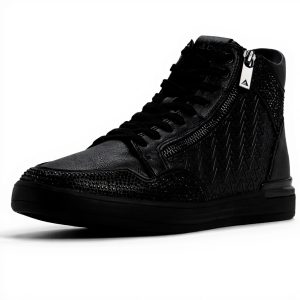
When I first saw the Aldo Sauerbergg sneakers, what struck me was their unassuming presence. They weren’t trying to be the most fashionable or innovative design on the market, but there was a quiet confidence in their construction that appealed to me. The black color was deep and consistent without being shiny or attention-grabbing, and the slightly rounded toe gave them a contemporary silhouette that felt current without being trendy. I appreciated how they seemed designed to complement an outfit rather than dominate it.
The faux leather material had a substantial feel without being stiff or restrictive. I’d had experiences with synthetic materials that either felt cheap or required extensive breaking in, but these seemed to strike a balance between durability and immediate comfort. The classic lace-up system allowed for micro-adjustments that made a noticeable difference in how securely they fit – something I hadn’t realized mattered until I experienced the alternative of shoes that either felt too loose or too tight throughout the day.
What surprised me most was how these sneakers performed across different surfaces and situations. The lightweight construction meant I didn’t feel like I was dragging extra weight during long walking periods, yet they still provided enough support that my feet didn’t feel fatigued after hours of wear. I found myself wearing them from morning until evening without that mid-day urge to change into something more comfortable, which had been a common occurrence with previous pairs.
I began noticing small details that contributed to their versatility. The black color truly did work with everything from dark jeans to khakis to more formal trousers. The clean lines meant they didn’t clash with patterns or brighter colors in my other clothing. Even the way they aged seemed considered – they developed a subtle patina rather than obvious wear marks, maintaining their appearance through regular use. These observations accumulated slowly, each small discovery reinforcing that I’d found something that actually worked for my lifestyle rather than just looking good in theory.
Reflection
I didn’t realize at the time that this would be so important, but having footwear that genuinely works across different contexts has quietly changed how I approach my days. There’s a mental ease that comes from not having to think about whether my shoes are appropriate for whatever comes up – they simply are. This might sound minor, but it’s one less decision to make in mornings that are often rushed, one less thing to pack when my day has uncertain elements, one less concern when unexpected opportunities arise.
What struck me most was how this experience connected back to that initial moment with Ali Wong | Coco Jones. Their discussion about versatility wasn’t just about fashion – it was about creating systems in our lives that reduce cognitive load while maintaining personal style. I’d been treating my footwear as disposable items to be replaced when worn out, rather than considering how the right pair could actually support how I live. This shift in perspective has made me more thoughtful about other everyday items too, considering how they function within the broader context of my routine rather than in isolation.
The durability of the faux leather construction has proven more meaningful than I initially anticipated. Rather than showing significant wear after a few months of regular use, they’ve maintained their structure and appearance, which speaks to thoughtful design rather than planned obsolescence. This longevity has made me consider the environmental aspect of my purchases more carefully – buying one pair that lasts is ultimately more sustainable than repeatedly replacing cheaper options that deteriorate quickly.
Perhaps the most significant reflection has been about how we define value in everyday items. The reasonable price point initially attracted me, but the true value has revealed itself through consistent performance rather than any single feature. I’ve come to appreciate designs that prioritize function within form, that understand the realities of daily life rather than chasing after fleeting trends. This approach to design – focused on solving real problems for real use – feels both practical and quietly sophisticated in a world often dominated by extreme aesthetics.
Conclusion
Looking back on this journey from that initial Ali Wong | Coco Jones moment to finding footwear that actually works with my life, I’m struck by how the most meaningful improvements often come from addressing basic needs we’ve learned to tolerate. The right pair of sneakers hasn’t transformed my life in dramatic ways, but it has removed a persistent low-grade irritation I didn’t fully acknowledge until it was gone. There’s value in items that perform their function so well they become invisible – not because they’re unimportant, but because they work seamlessly within our routines.
What I’ve learned extends beyond footwear to how I think about all the functional items in my life. The balance between style and practicality isn’t a compromise but an opportunity for more thoughtful design. Pieces that serve multiple purposes without drawing attention to themselves create space for us to focus on what actually matters in our days. They become reliable foundations rather than variables requiring constant management.
This experience has also shifted how I view brand philosophy. When design priorities align with real usage patterns rather than marketing narratives, the result feels authentic in ways that transcend traditional advertising. The emphasis on durable materials, consistent sizing, and versatile aesthetics demonstrates an understanding of what people actually need from their everyday items. This practical intelligence in design creates trust that goes deeper than surface-level branding.
Ultimately, the search for the right sneakers became about more than just footwear – it was about recognizing how the items we use daily either support or complicate how we move through the world. The combination of Ali Wong | Coco Jones that started this reflection now represents for me that intersection of awareness and practicality, where we notice what actually works in our lives and make choices accordingly. It’s a reminder that sometimes the most significant improvements come from attending to the fundamentals we’ve learned to overlook.